It’s no wonder Disabled people are looking to take their votes elsewhere, to protest the imposition of what feels like a decades-long one-party state.
Regardless of whether the Conservatives or Labour have been in power, every budget from the past two decades has followed the same formula: more money for weapons, more tax cuts to corporations and cash randomly thrown at bizarre pet projects, such as a digital ID programme.
Commentators claim our political age is defined by vibes, not facts, but the facts are worth restating. In 2022, under the Conservatives, three-quarters of people who used food banks were Disabled. Three years on and almost 18 months into a Labour government that promised change, that figure is the same.
We’d all hoped that Keir Starmer’s government would make a decisive break from decades of failure. That now seems to have been wishful thinking.
“The Universal Credit Bill passed earlier this year paints a picture of a directive from Whitehall that some groups are fine for the government to fail over and over again,” Rushaa Hamid, research manager at East London-based anti-poverty charity Toynbee Hall, told openDemocracy.
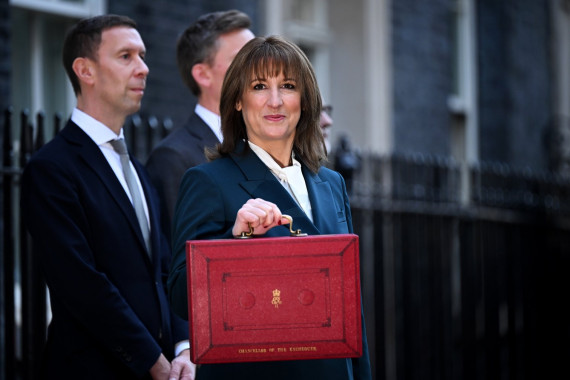
Yesterday, the government proved Hamid right. Its plan for the budget appears to have been to let the Disabled community take the fall for the state’s poor finances.
Take Reeves’ decision to remove ‘premium’ vehicles from the Motability scheme, which allows Disabled people to lease adaptable cars. Announcing the move, she said: “The motability scheme was set up to protect the most vulnerable. Not to subsidise the lease on a Mercedes-Benz.”